
Our Services.
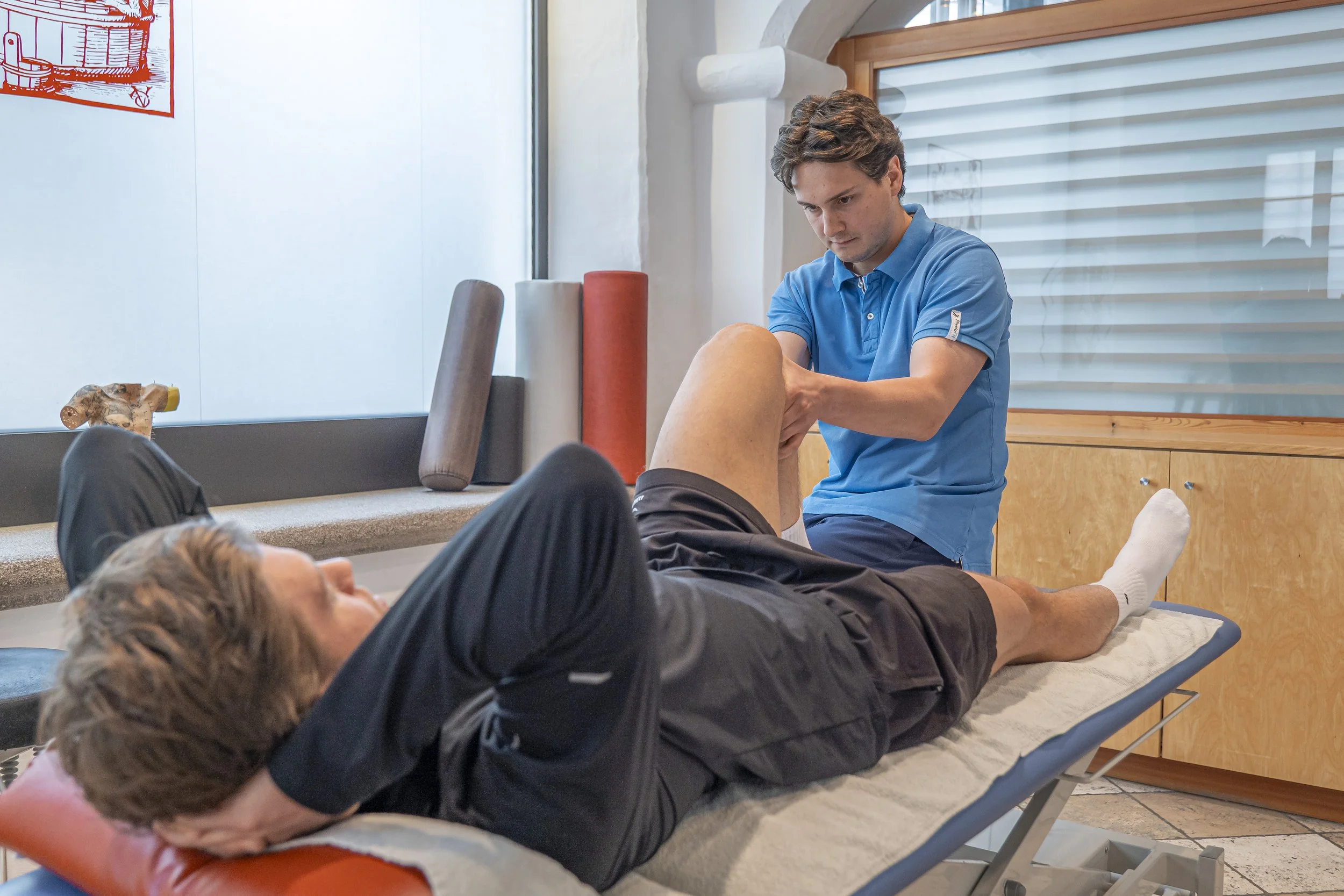
At PhysioFit, we are dedicated to improving your health and quality of life through personalized physiotherapy treatments. Our goal is to help you regain mobility, relieve pain, and restore everyday well-being. Whether it's rehabilitation, prevention, or movement support, we are by your side with expertise and care.
Our Services
-
Rehabilitation Therapy
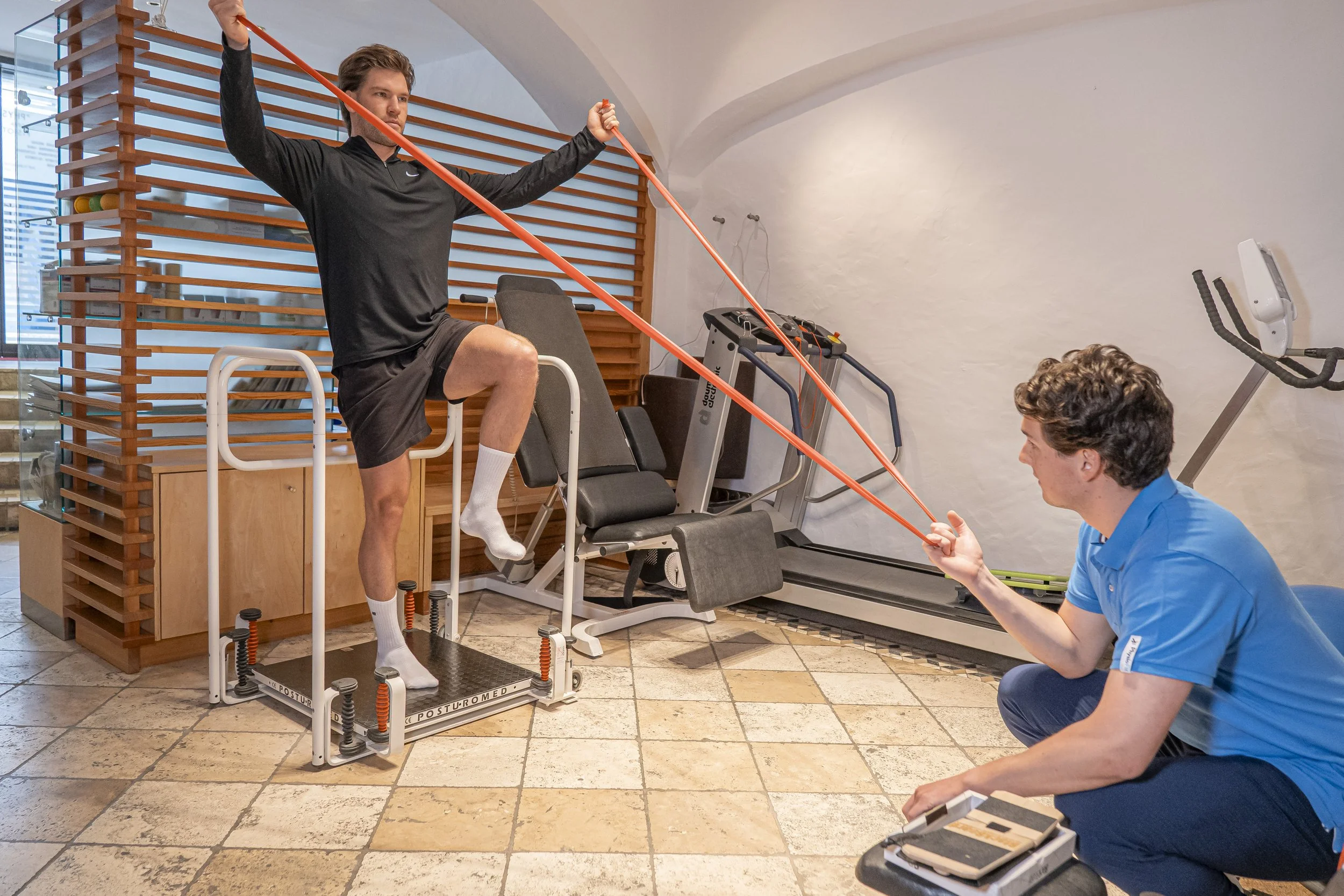
The recovery process after surgery, trauma, or injury requires a carefully detailed therapeutic program. Our rehabilitation therapy aims to restore impaired function, relieve pain, and improve patients' quality of life. Through a combination of therapeutic exercises, manual techniques, and physical therapies, we help the body regain strength, balance, and endurance. Each therapy plan is individually tailored based on diagnosis, age, personal goals, and clinical context—with special focus on relapse prevention and gradual reintegration into daily life.
-
Sports Physiotherapy
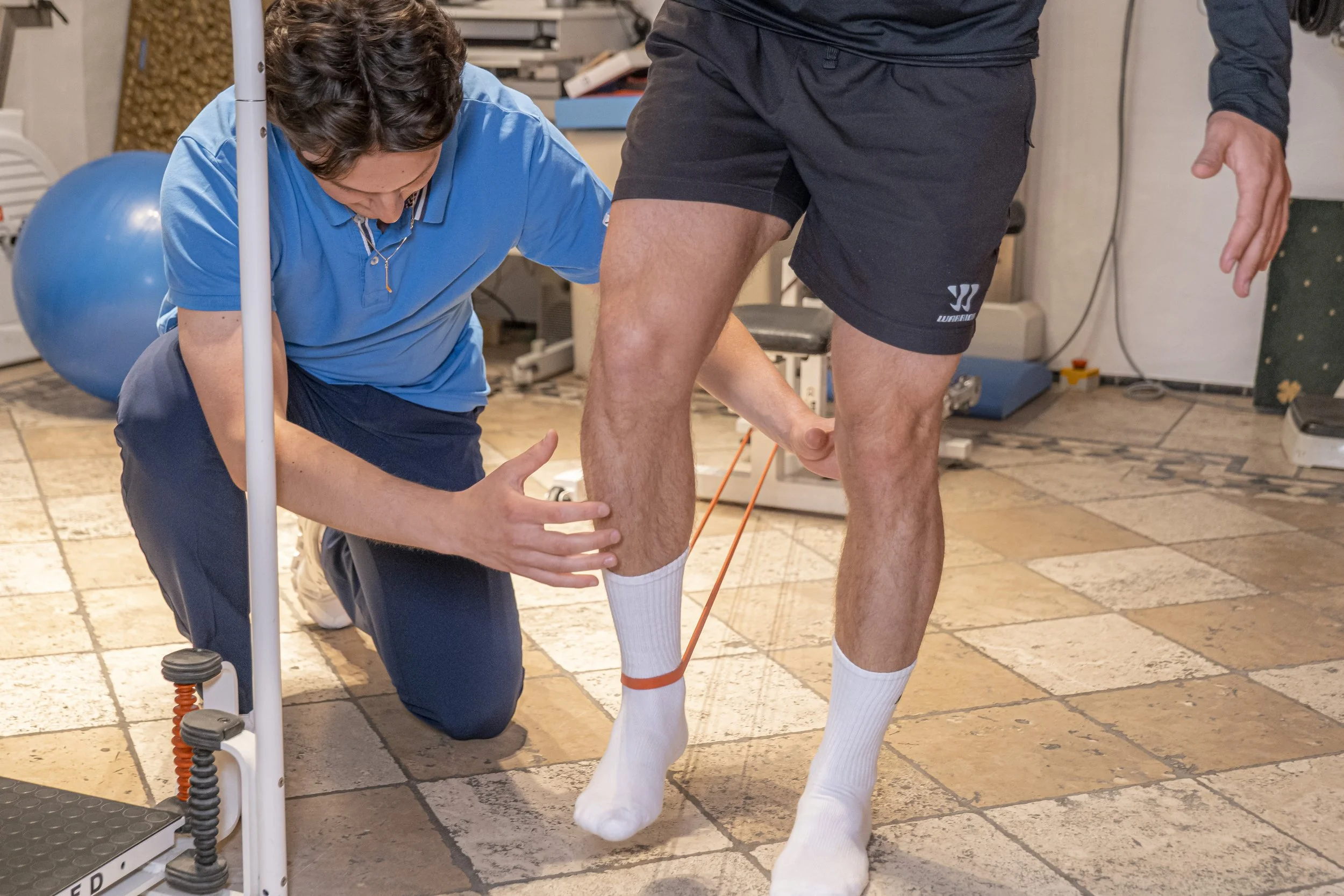
Sports physiotherapy is aimed at professional and recreational athletes as well as active individuals recovering from injury or looking to optimize their physical performance. We treat acute or chronic conditions such as muscle injuries, tendinitis, sprains, or ligament injuries. Using modern techniques, we accelerate recovery, improve movement biomechanics, and reduce the risk of reinjury. The therapy is complemented by strengthening exercises, motor control training, and functional training—specific to each sport.
-
Manual Therapy
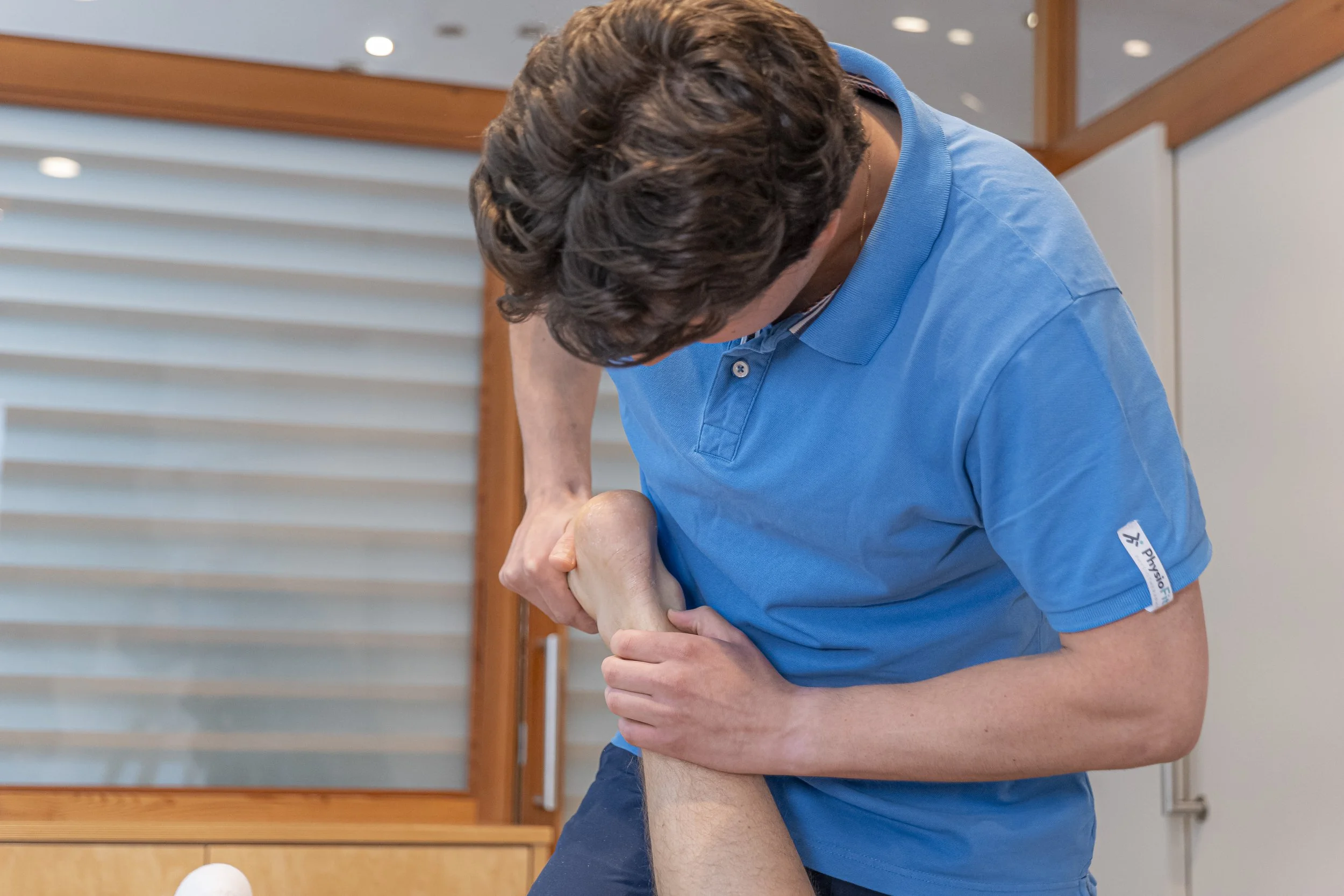
Manual therapy involves the therapist’s hands to assess, treat, and improve musculoskeletal dysfunctions. Techniques include joint mobilizations, therapeutic massage, manipulations, myofascial release, and passive stretching. It is particularly effective for joint stiffness, muscle tension, neck pain, back pain, sciatica, and postural syndromes. This targeted, non-invasive approach stimulates the nervous system, enhances circulation, and restores physical balance.
-
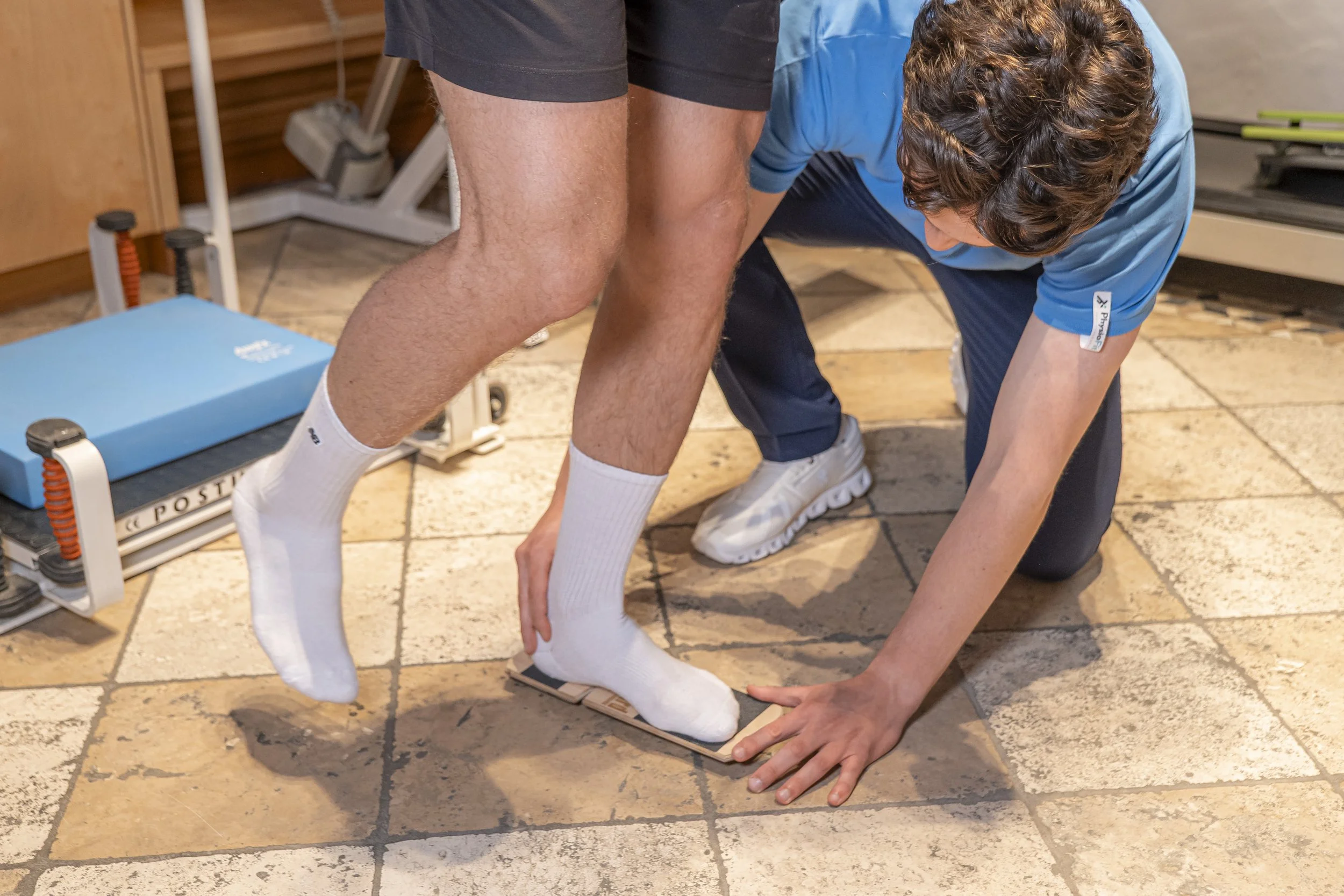
Neurological Rehabilitation
Neurological rehabilitation is intended for patients with stroke, multiple sclerosis, Parkinson’s disease, spinal cord injuries, peripheral neuropathies, or other nervous system disorders. The goal is to maximize existing abilities and improve motor control, balance, coordination, and independence in daily life. Treatment includes neuromotor exercises, facilitation techniques, balance and gait training, and, if necessary, the use of assistive devices. Each intervention is tailored to the patient’s neurological condition, cognitive abilities, and functional goals.
-
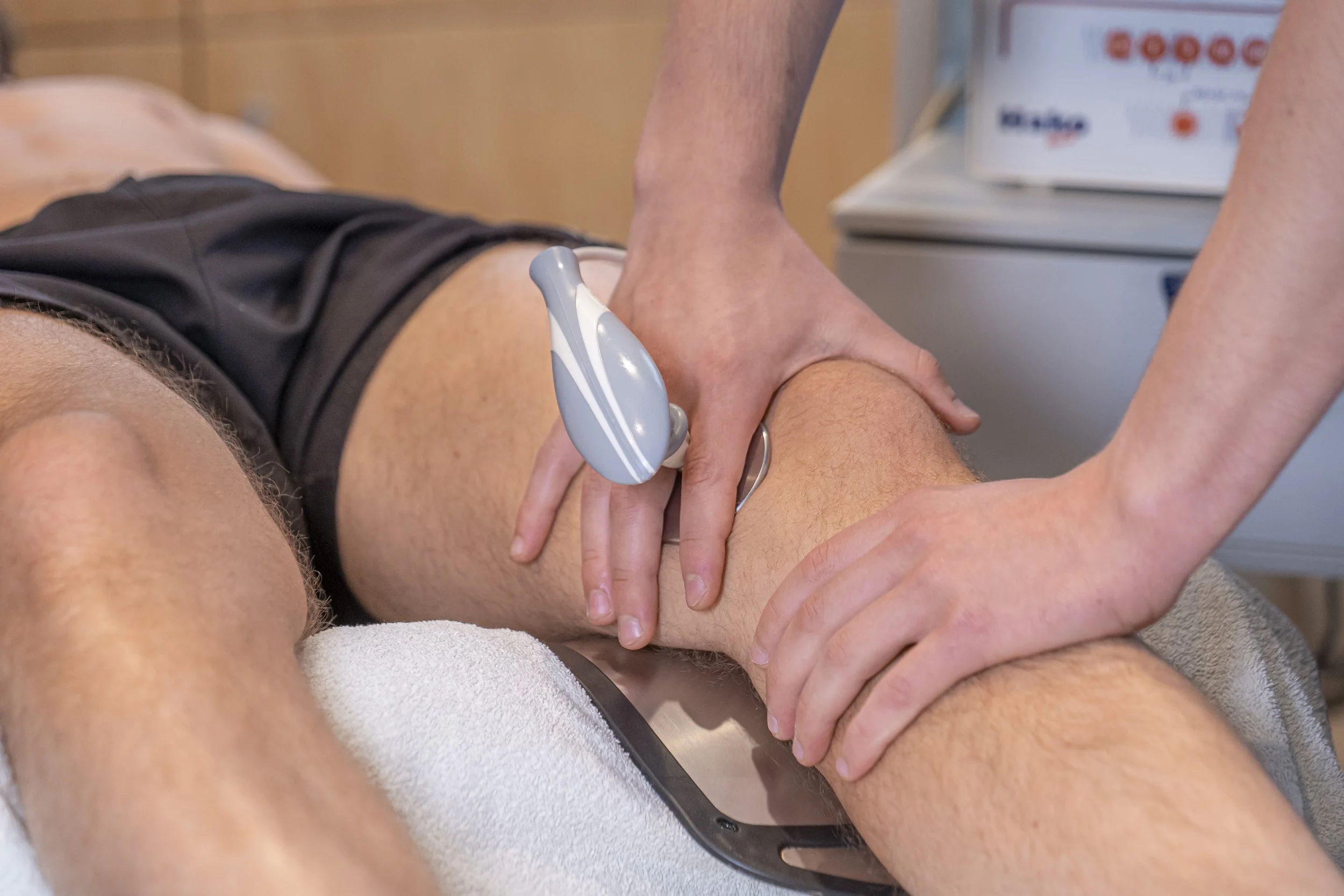
Tecar Therapy
Tecar therapy is an electro-medical treatment that uses high-frequency energy to stimulate the body's natural tissue repair processes. Depending on the capacitive or resistive application, deep heat accelerates cell regeneration, enhances tissue repair, and reduces swelling, inflammation, and muscle stiffness. It is ideal for muscle injuries, tendinitis, osteoarthritis, back pain, and chronic joint inflammation. The therapy can be used during the acute phase and combined with manual therapy or active exercises.
-
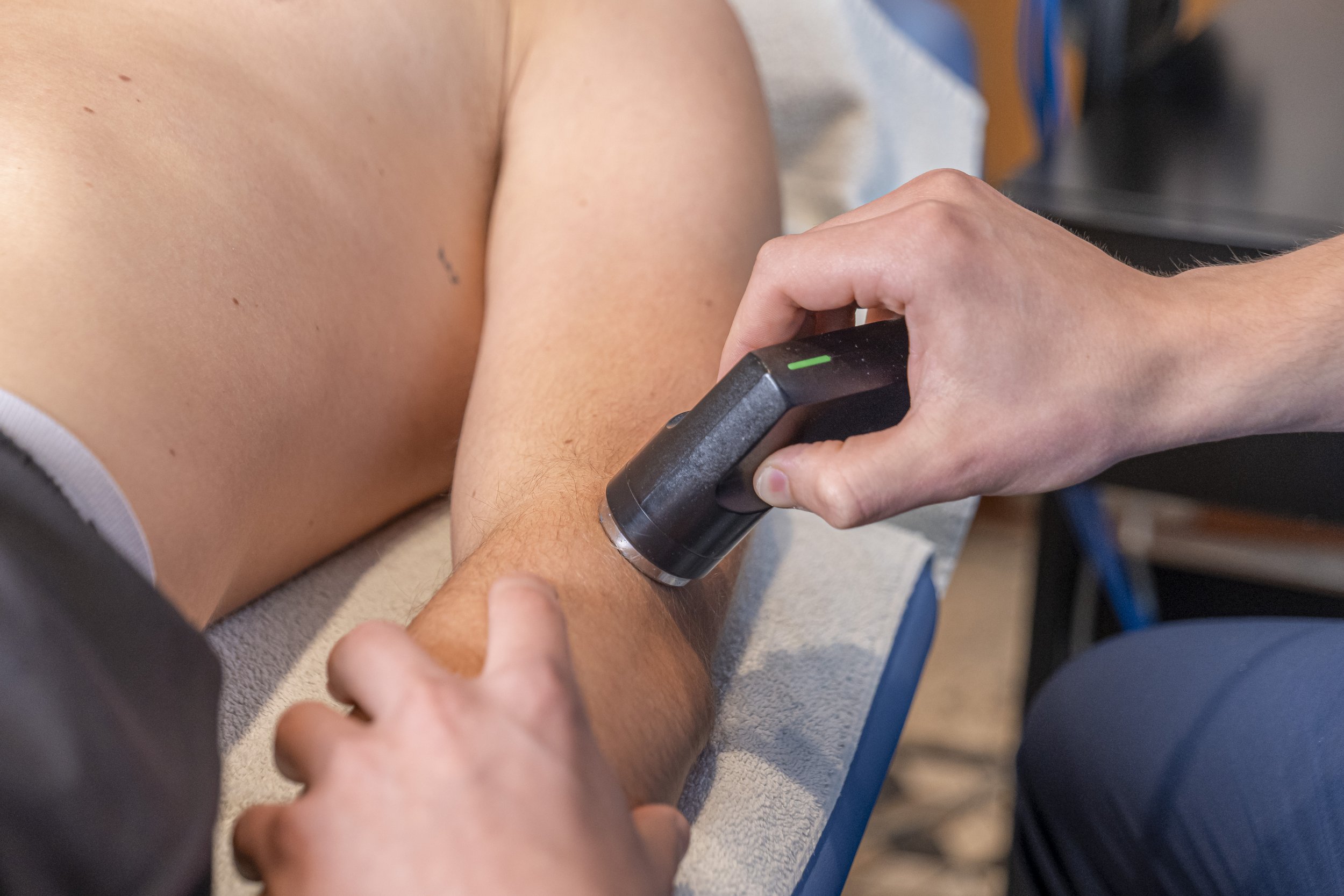
Ultrasound Therapy
This therapy uses high-frequency sound waves that penetrate deep into tissue to stimulate cellular metabolism and tissue regeneration. Ultrasound helps reduce swelling, improves local blood circulation, and alleviates inflammation and pain. It is especially effective for tendinitis, bursitis, muscle stiffness, muscle injuries, and sprains. It is commonly used to promote natural healing.
-
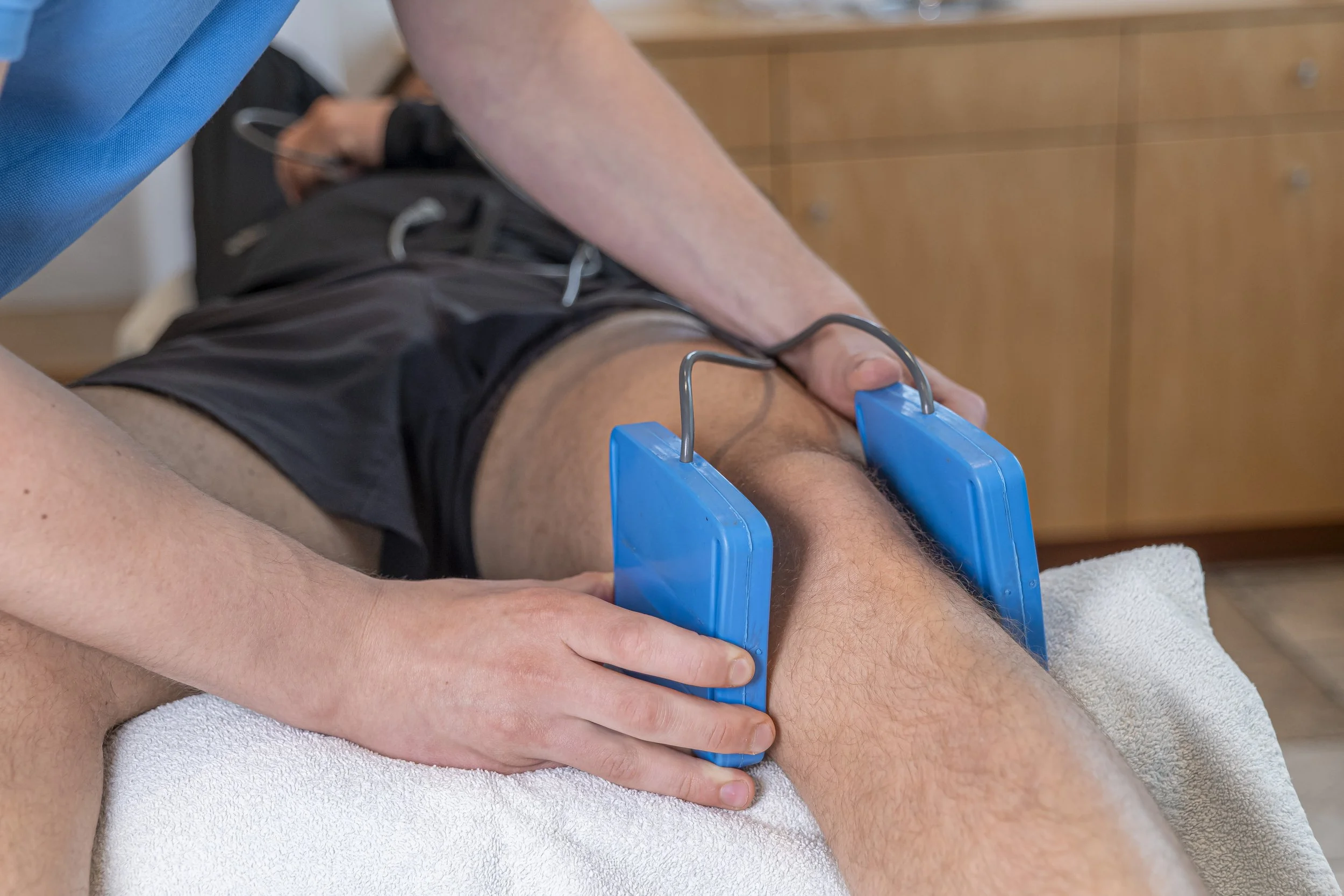
Magnetic Field Therapy
Magnetic field therapy uses low or high-frequency magnetic fields to stimulate cell regeneration. It is used to treat fractures, osteoporosis, osteoarthritis, bone edema, joint inflammation, and delayed bone healing. The therapy works deep in the tissue without causing pain or heat and is suitable for longer treatment periods. Its main effects include promoting microcirculation, increasing tissue oxygenation, reducing inflammation, and providing natural pain relief.
-
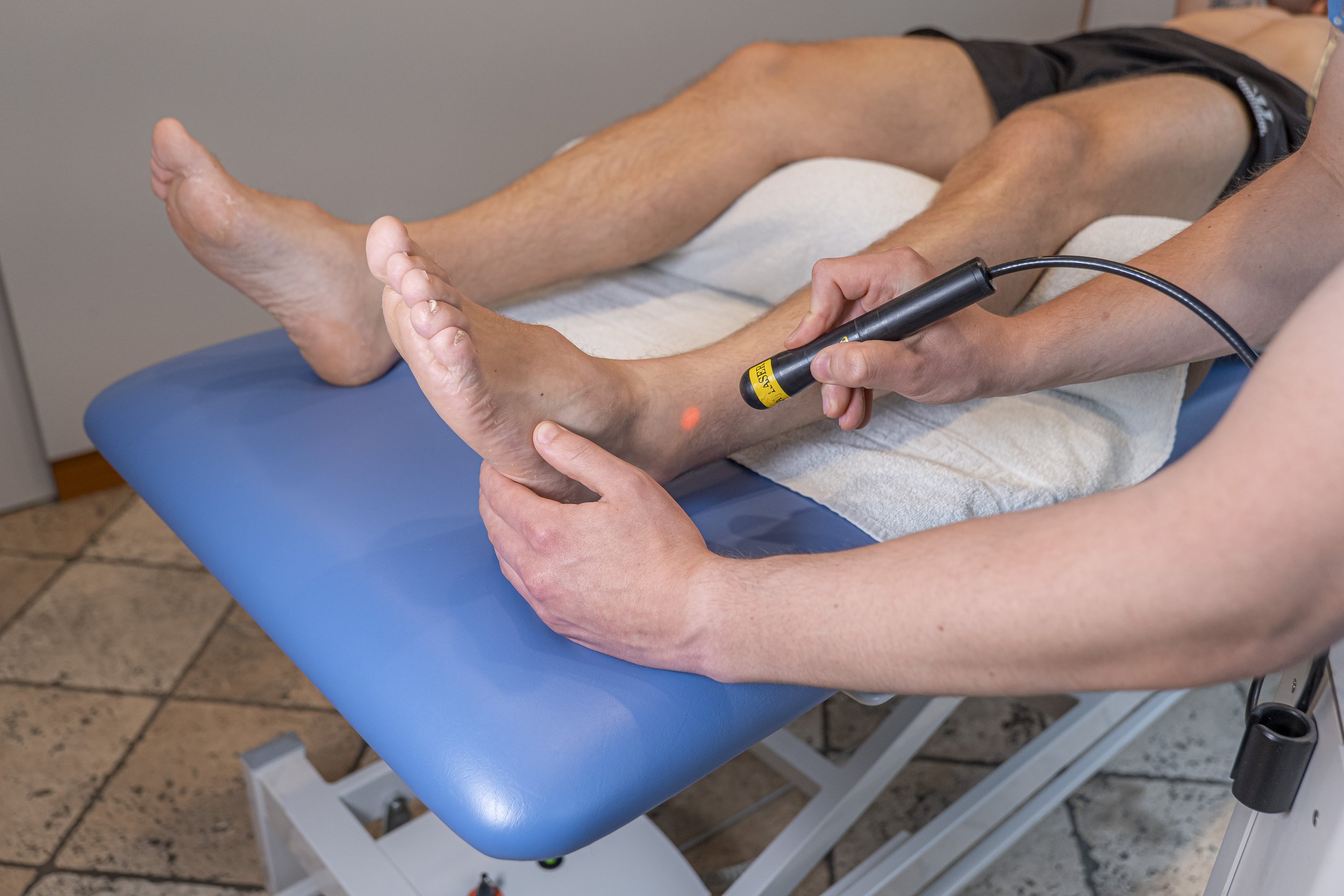
Laser Therapy
Laser therapy uses high-intensity light beams to deeply stimulate biological tissue. It is a non-invasive, painless, and highly effective method for pain relief, anti-inflammation, wound healing, and accelerated functional recovery. It is suitable for tendinitis, sprains, muscle stiffness, arthritis, neck pain, back pain, and slow-healing wounds. The treatment can be customized to therapeutic needs based on laser power and type.
-
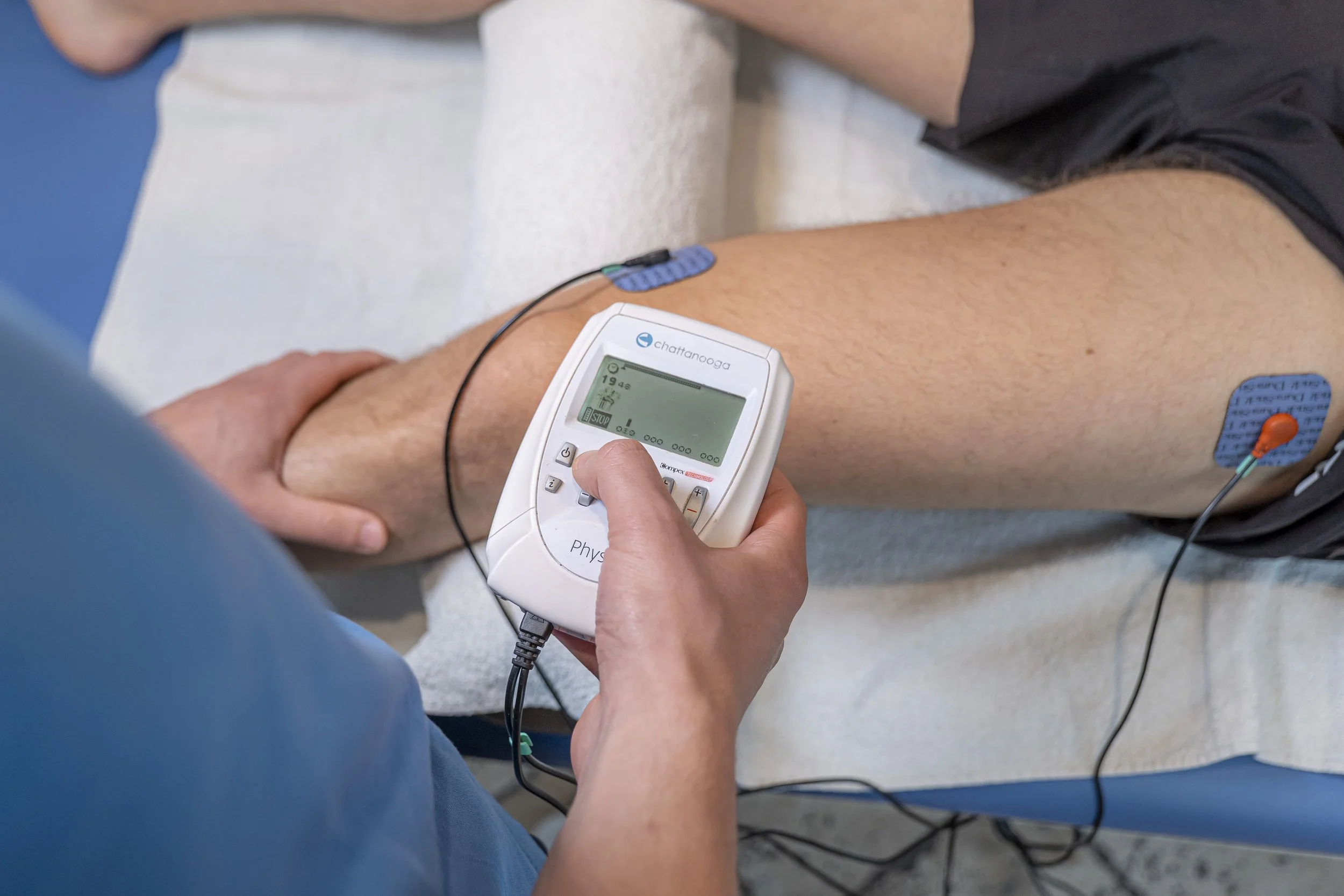
Electrotherapy (TENS, EMS, etc.)
Electrotherapy uses controlled electrical impulses for muscle stimulation and pain modulation. TENS (transcutaneous electrical nerve stimulation) is particularly effective for acute and chronic pain, while EMS (electrical muscle stimulation) supports muscle building after immobilization, atrophy, or injury. Other methods include analgesic, galvanic, and diadynamic electrostimulation. When combined with active training, rehabilitation outcomes can be significantly improved.
-
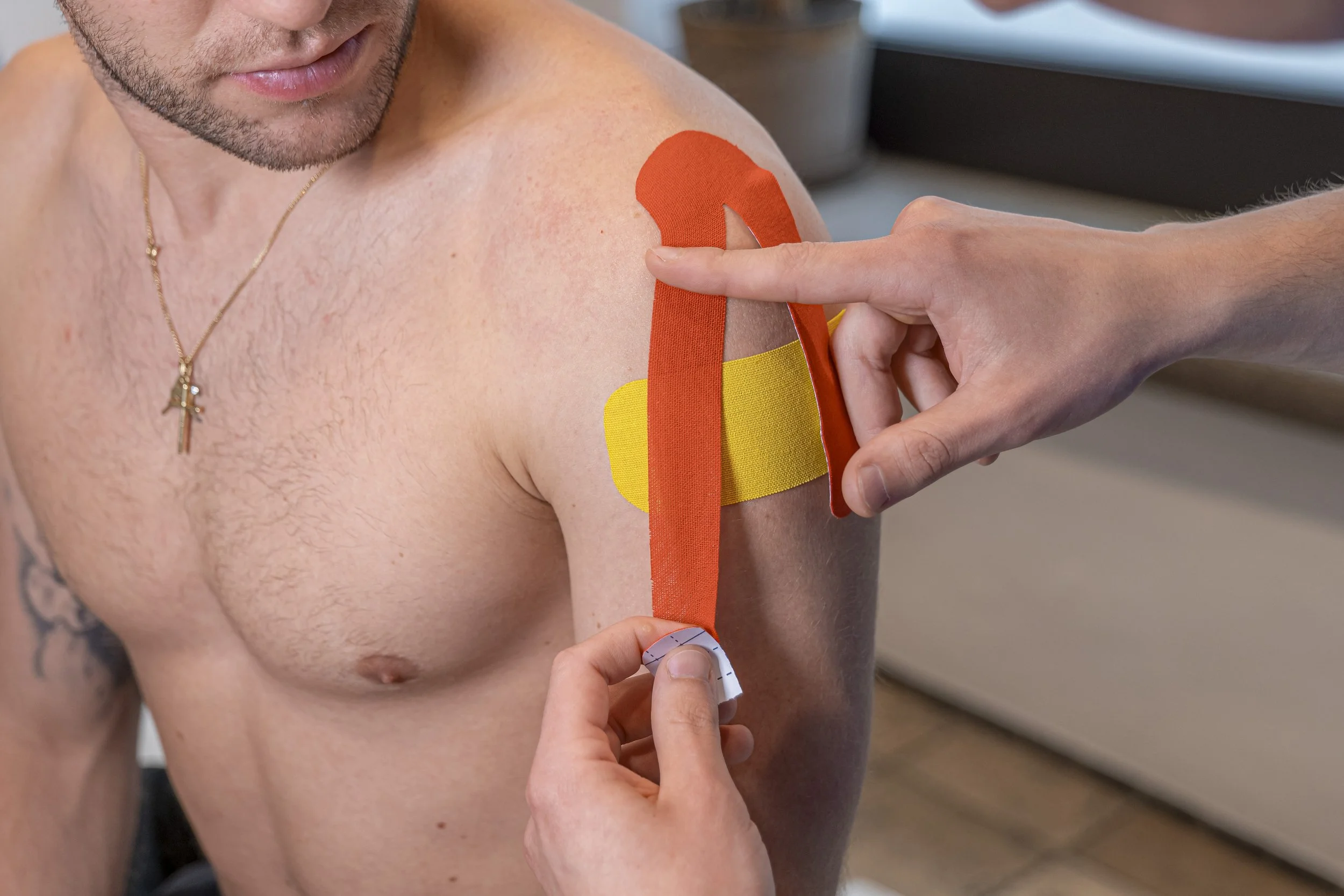
Kinesio Taping
Kinesio taping is a non-invasive technique using special elastic tapes to support muscles and joints without restricting movement. Benefits include pain relief, lymphatic drainage, enhanced body awareness, and support for movement mechanics. It is useful for sprains, overuse symptoms, muscle tension, swelling, scars, and joint instability. Kinesio taping is widely used in sports physiotherapy and rehabilitation after injuries.
-
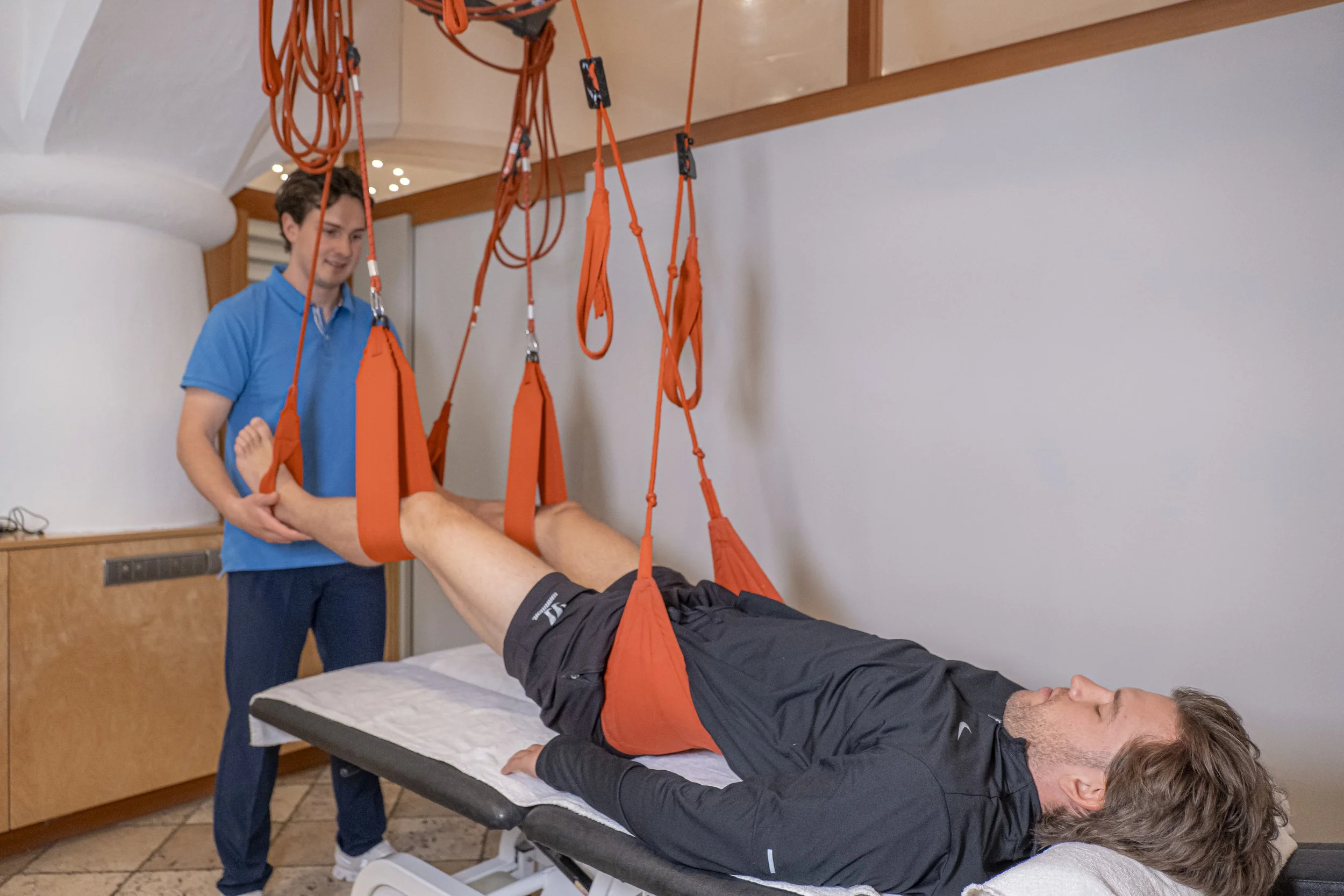
Red Cord Therapy
Red Cord is a neuromuscular rehabilitation system using suspension exercises that challenge balance and motor control. By specifically activating deep muscles, it corrects movement disorders, reduces pain, and improves neuromuscular coordination. This method is suitable for back pain, joint instability, postoperative rehabilitation, and injury prevention. Exercises can be adjusted for difficulty and are suitable for all ages and fitness levels.
-
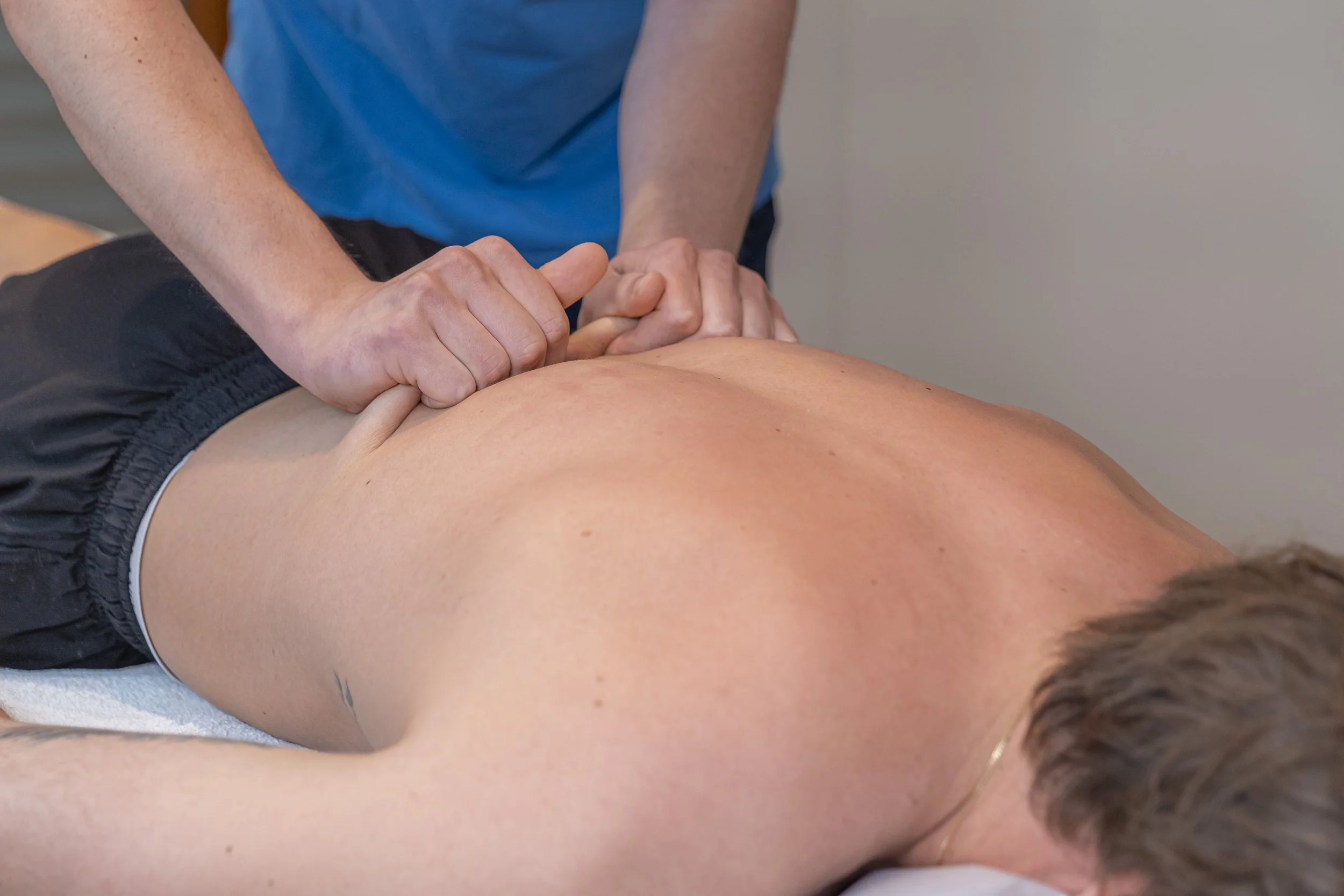
Fascia Therapy
Fascia is a connective tissue network that surrounds muscles, organs, and body structures. Dysfunction can cause pain, stiffness, and postural problems. Fascial therapy focuses on releasing tension and adhesions through slow, deep, and targeted manual techniques. It helps restore tissue elasticity, improve mobility, and relieve chronic pain and musculoskeletal dysfunction.